

What Is an Eye Lag Screw and Where Is It Commonly Used?
Understanding the Basics of Eye Lag Screws
An eye lag screw is a mechanical fastener that combines a lag screw thread with a closed or semi-closed eye loop at the head.
It is designed to be driven into substrates such as wood or structural framing, creating a fixed anchor point for hanging, suspending, or securing loads.
Because it offers both strong holding power and a built-in attachment point, the eye lag screw is widely used in construction, electrical, and ceiling suspension applications.
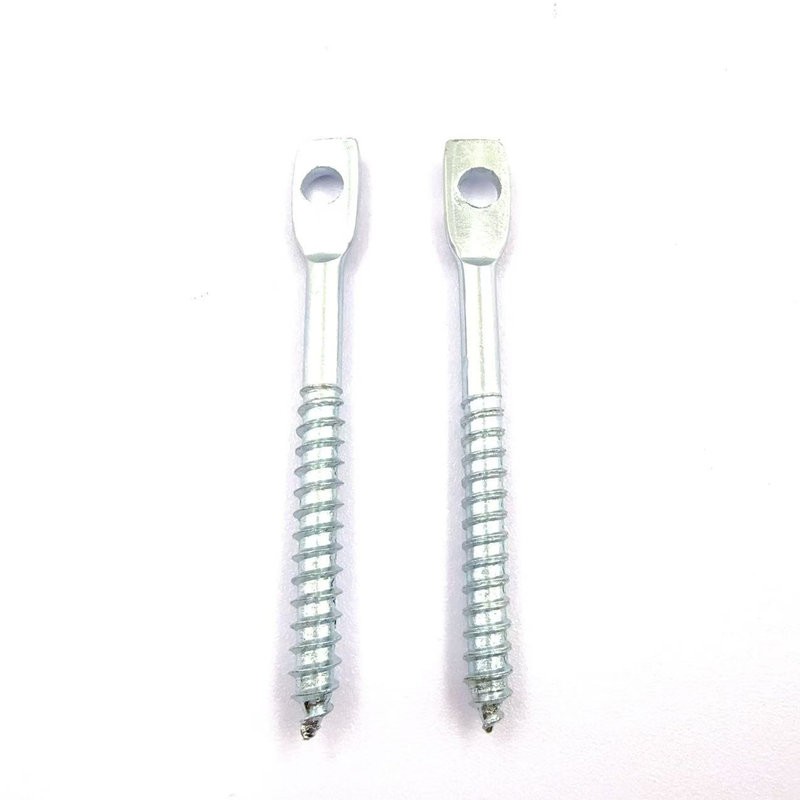
Key Structural Features of an Eye Lag Screw
An eye lag screw typically consists of three main elements:
Eye Loop
Provides a connection point for wire, cable, chain, or hooks.
Lag Screw Threads
Coarse threads designed to grip firmly into wood or similar materials.
Shank and Tip
Transfers load into the substrate and supports axial forces.
This simple structure makes eye lag screws easy to install and highly versatile.
How an Eye Lag Screw Works
Once installed into wood or framing, the lag threads create friction and mechanical engagement with the material.
Loads applied through the eye loop are transferred directly into the substrate.
In most applications, the load direction is vertical, which aligns well with how lag screws are designed to perform.
Common Materials and Finishes
Eye lag screws are commonly manufactured in:
Zinc plated steel – suitable for indoor and dry environments
Stainless steel – preferred for outdoor, humid, or corrosive conditions
Material selection depends on environment, service life expectations, and corrosion resistance requirements.
Typical Applications of Eye Lag Screws
Eye lag screws are widely used in:
Ceiling wire suspension systems
Hanging lighting fixtures
Supporting cables and chains
Acoustic ceiling installations
Electrical and mechanical supports
Wood structure hanging points
They are especially common in commercial interiors where repeated suspension points are required.
Eye Lag Screws in Ceiling Systems
In ceiling applications, eye lag screws are often installed into:
Wood joists
Timber beams
Framing members above ceilings
Ceiling wires or suspension cables are then attached through the eye, forming a stable hanging system for ceiling grids or fixtures.
This makes eye lag screws a key component in suspended ceiling construction.
Load Considerations and Limitations
While eye lag screws offer strong holding power, they are not structural anchors.
Their load capacity depends on:
Screw diameter and length
Substrate material and density
Installation depth
Load direction
They are best suited for light to medium loads, not heavy structural or safety-critical applications.
Installation Basics
Basic installation steps include:
Drilling a pilot hole (unless self-tapping)
Driving the eye lag screw into the substrate
Ensuring the eye is properly aligned
Correct pilot hole sizing helps prevent wood splitting and ensures proper grip.
Eye Lag Screws vs Other Hanging Anchors
Compared to toggle bolt anchors or wedge anchors:
Eye lag screws are used where solid wood backing is available
Toggle anchors are used in hollow ceilings
Wedge anchors are used in concrete
Each fastener serves a different structural condition.
Why Eye Lag Screws Remain Widely Used
Eye lag screws remain popular because they:
Are easy to install
Provide a built-in attachment point
Work well in wood structures
Support common ceiling and hanging applications
Their simplicity and reliability make them a standard solution in many construction environments.
An eye lag screw is a versatile fastening solution designed for hanging and suspension applications in wood and framing structures.
By combining strong lag threads with a functional eye loop, it provides a simple and effective way to support ceiling wires, cables, and fixtures.
Understanding where and how eye lag screws are used helps installers and buyers select the right fastening solution for their specific project needs.


